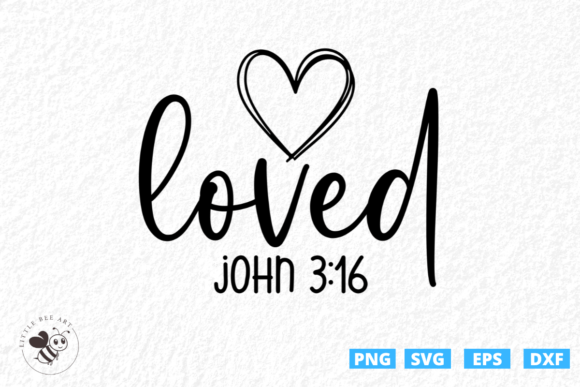
Cross Training John 3 16 SVG
A Designer’s First Look: Clean, Confident, and Quietly Purposeful
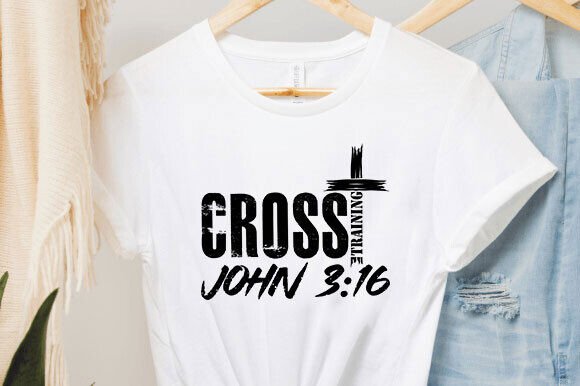
Opening Cross Training John 3 16 SVG feels like unrolling a well-folded handkerchief—no frills, no visual noise, just clear intent. As a designer who’s stitched hundreds of faith-based motifs—from ornate crosses to minimalist scripture—it stands out for its balance: bold enough to read at a glance on a sweatshirt, restrained enough to feel personal on a baby onesie. The “Cross Training” motif subtly nods to discipline and growth, while the “John 3:16” text is set in a clean, legible sans-serif—no decorative serifs that could blur under satin stitch or trap lint in dense fill areas. It reads as both modern and timeless—not trendy, not dated.
Where This Design Actually Shines (and Where It Needs Care)
I recently tested Cross Training John 3 16 SVG as the centerpiece for a custom embroidered tote bag destined for a church youth group retreat. The design sat cleanly centered on the front panel—no awkward stretching, no distortion—and held up beautifully on midweight canvas with medium tear-away stabilizer. That’s where it thrives: on structured, stable fabrics like cotton twill, denim, canvas, and fleece-backed sweatshirts. On those surfaces, the lettering stays crisp, the cross remains proportionally grounded, and the overall shape translates directly from screen to stitch without visual compromise.
But let’s be practical: this isn’t a one-size-fits-all embroidery file. On thin jersey t-shirts? Proceed with caution. The text blocks are tight—especially the “3” and “16”—and can easily lose definition if stitch density isn’t adjusted or if lightweight cutaway stabilizer isn’t layered underneath. On curved surfaces like caps or baby beanies, I’d recommend repositioning the design lower on the front panel and confirming hoop clearance before stitching. And on dark fabric? Test thread contrast first. A charcoal gray thread on navy may read as muddy; off-white or cream gives better clarity without sacrificing warmth.
Real-World Fit Across Your Product Line
- Tote bags & aprons: Excellent anchor design—centered, balanced, and instantly legible at 4–5 inches wide.
- Sweatshirts & hoodies: Works best on left-chest or upper-back placement. Avoid full-front unless scaling thoughtfully—the proportions hold up, but oversized rendering can flatten the visual weight.
- Baby items & nursery decor: Ideal for pillow covers, tea towels, or onesies when scaled to 2.5–3 inches. The message feels tender, not preachy—a quiet nod rather than a statement.
- Embroidered patches: Highly adaptable. The clean lines translate well into sew-on or iron-on patch formats, especially when backed with twill or felt.
- Holiday or wedding gifts: Paired with neutral linen or oatmeal cotton, it reads as thoughtful—not generic. Think: a monogrammed kitchen towel for a new couple, or a personalized blanket for a baptism gift.
What It Adds (and What It Doesn’t Promise)
Cross Training John 3 16 SVG elevates a handmade product by grounding it in sincerity—not spectacle. It doesn’t rely on glitter, gradients, or layered appliqué to make an impact. That simplicity builds trust: customers recognize craftsmanship over clutter. For Etsy sellers and small shop owners, that means stronger perceived value per stitch. A $38 embroidered sweatshirt with this design feels intentional, not mass-produced—especially when paired with quality thread and thoughtful placement.
That said, it won’t carry weak execution. If your stitch density is too high on cotton poplin, the text will pucker. If you skip stabilizer on stretchy fabric, the cross will skew. And if you try to cram it into a 3-inch hoop without checking detail integrity, the inner curves of the “3” may collapse into a blob. This is a designer’s design—it rewards attention to craft, not just speed.
Practical Notes Before You Stitch
- Always run a test stitch on scrap fabric matching your final project’s weight and texture.
- Check how the design behaves in black-and-white mockups—this reveals contrast issues before thread is loaded.
- Compare performance on light vs. dark backgrounds using printable mockups. Does “John 3:16” still pop?
- Confirm hoop size compatibility. If your machine requires re-hooping mid-design, note where the split falls—ideally not across the crossbar.
- Inspect small corners and curves at 200% zoom in your embroidery software. Are there any nested nodes or stray points?
- Use appropriate stabilizer: cutaway for knits, tear-away for stable wovens, and optional topping for napped fabrics like fleece.
- Review licensing terms carefully. While marketed as a premium machine embroidery design, confirm whether resale of finished items or redistribution of the digital embroidery file is permitted—especially for craft business or commercial embroidery use.
Final Thought: A Design That Serves the Message
As a T-Shirt Designs asset, Cross Training John 3 16 SVG works—but it’s strongest when stepping beyond the tee. It’s the kind of graphics piece that gains meaning through context: stitched on a volunteer’s apron, framed inside a baby’s nursery quilt, or heat-applied to a reusable water bottle for a mission trip. It doesn’t shout. It settles in. And for designers, sellers, and makers building something real—not just selling pixels—Cross Training John 3 16 SVG earns its place not because it’s flashy, but because it stitches true.